Small Habits, Big Teeth
Most childhood oral habits are self-soothing — which is exactly why scolding backfires. Our counseling starts by understanding what the habit does for your child, then replaces it with something better: a bedtime routine instead of a thumb, a straw cup instead of a bottle, a song instead of a standoff.
Parents leave with a written plan, a realistic timeline, and encouragement techniques that work at 7pm when everyone is tired — including you.
Habits We Counsel
- Thumb and finger sucking
- Pacifier weaning past infancy
- Nighttime teeth grinding
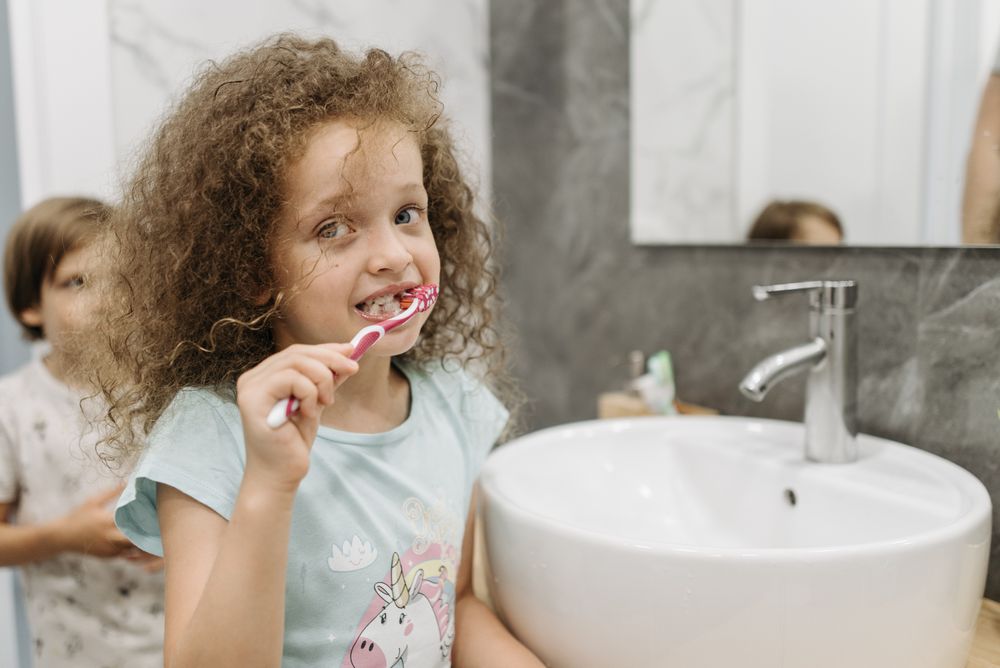
- Brushing refusal and battles
- Tongue thrust and mouth breathing
- Dental anxiety and fear
Four Steps to a New Habit
- Understand
We learn when the habit happens and what need it fills — comfort, boredom, tiredness.
- Plan together
Your child co-designs the plan (sticker charts work because kids own them).
- Replace
Better soothing tools and routines step in — gradually, never cold-turkey.
- Celebrate
Milestones earn treasure-wall visits. Most habits fade within 4–8 weeks.
Habit FAQs
When should we worry about thumb-sucking? –
Before age four, it's developmentally normal and rarely affects teeth. If it continues as permanent teeth arrive — or is vigorous enough to callus the thumb — that's the moment for a gentle plan, not panic.
Do you use those thumb cages or bitter paint? +
Only as a last resort, with the child's full agreement. In our experience, positive plans work faster and preserve trust — punishment appliances almost never do.
My child grinds at night — is that harmful? +
Mild childhood grinding is common and usually outgrown. We check for wear patterns and airway issues at every visit, and fit a soft night guard only when teeth show real damage.
Is counseling a separate visit? +
It can be folded into any cleaning, or booked as a dedicated 30-minute session when a habit needs full attention. Either way, you leave with a written plan.
Battling a habit at home?
Bring it to us — the kind approach works, and bedtime gets easier.
Book a Visit